 RentCrib Admin
Budget adds an extra £1.5 billion to accelerate affordable‑housing delivery
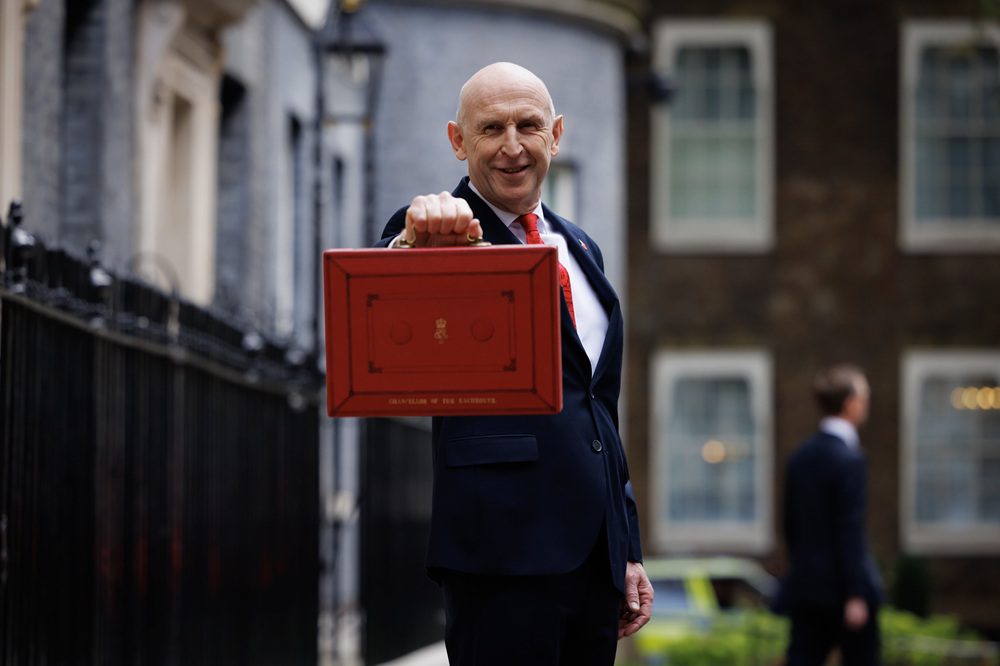
The housing crisis has been front‑and‑centre of this year’s Autumn Budget, with Chancellor John Healey unveiling a fresh £1.5 billion injection for the Social and Affordable Housing Programme (SAHP). The money is billed as a “major boost” that should help reverse the loss of more than two million council homes since the 1980s and tackle the more than 170,000 children currently sleeping in temporary accommodation.
The new allocation lifts total capital investment in the SAHP to over £40 billion across the next decade, according to HM Treasury. Prime Minister Andy Burnham has pledged that this will be the biggest surge in council house‑building since the post‑war era, a claim that hinges on the extra funding being turned into actual units rather than just paperwork.
Healey also promised to make it cheaper for local authorities to borrow and to remove VAT on any land sold to registered social‑housing providers. Both measures are designed to lower development costs and speed up projects. Apart from safety‑related tweaks, there will be no sweeping changes to building regulations, although smaller brownfield schemes will be exempt from the Biodiversity Net Gain requirement.
On the homelessness front, a further £432 million will be earmarked to end rough sleeping over the next two years, while a new First‑Time Buyer ISA will replace the Lifetime ISA, keeping the withdrawal charge at 20 percent and retaining the £450,000 property‑price cap. From next spring, the “Your First Home” equity‑loan scheme, backed by £4.7 billion of government‑backed lending, aims to help 70 000 first‑time buyers without family support onto the property ladder.
Devolution also features heavily. By the end of the decade, 100 percent of business rates will be retained locally, with mayors set to receive 20 percent of those revenues from 2027 and a share of income‑tax receipts from 2028. An additional £1.5 billion of devolved loans and new Good Growth Funds will be made available to mayoral and strategic authorities, with a rollout that could see more than 90 percent of England under a devolution agreement by 2028.
Industry leaders have welcomed the extra cash but warn that funding alone will not solve the capacity crunch. The Chartered Institute of Housing highlighted the continued freeze on Local Housing Allowance as a pressure point, while housing associations stress the need for clarity on decarbonisation funding and faster access to grant money. For renters, the promise of more council homes offers hope, but the real test will be whether the new money translates into bricks and mortar before the waiting lists – now over 1.3 million households – swell further.
Based on reporting by Housing Digital — Social Housing. Read the original on Housing Digital — Social Housing